
2026-07-26
Why and How Does a Hernia Occur? Causes, Symptoms & Keyhole Surgery in Mumbra, Thane & Mumbai
Understand why and how hernias occur in the abdominal wall and groin, common risk factors, symptoms to watch for, and how a leading hernia surgeon in Mumbra, Thane & Mumbai performs advanced laparoscopic mesh repair.
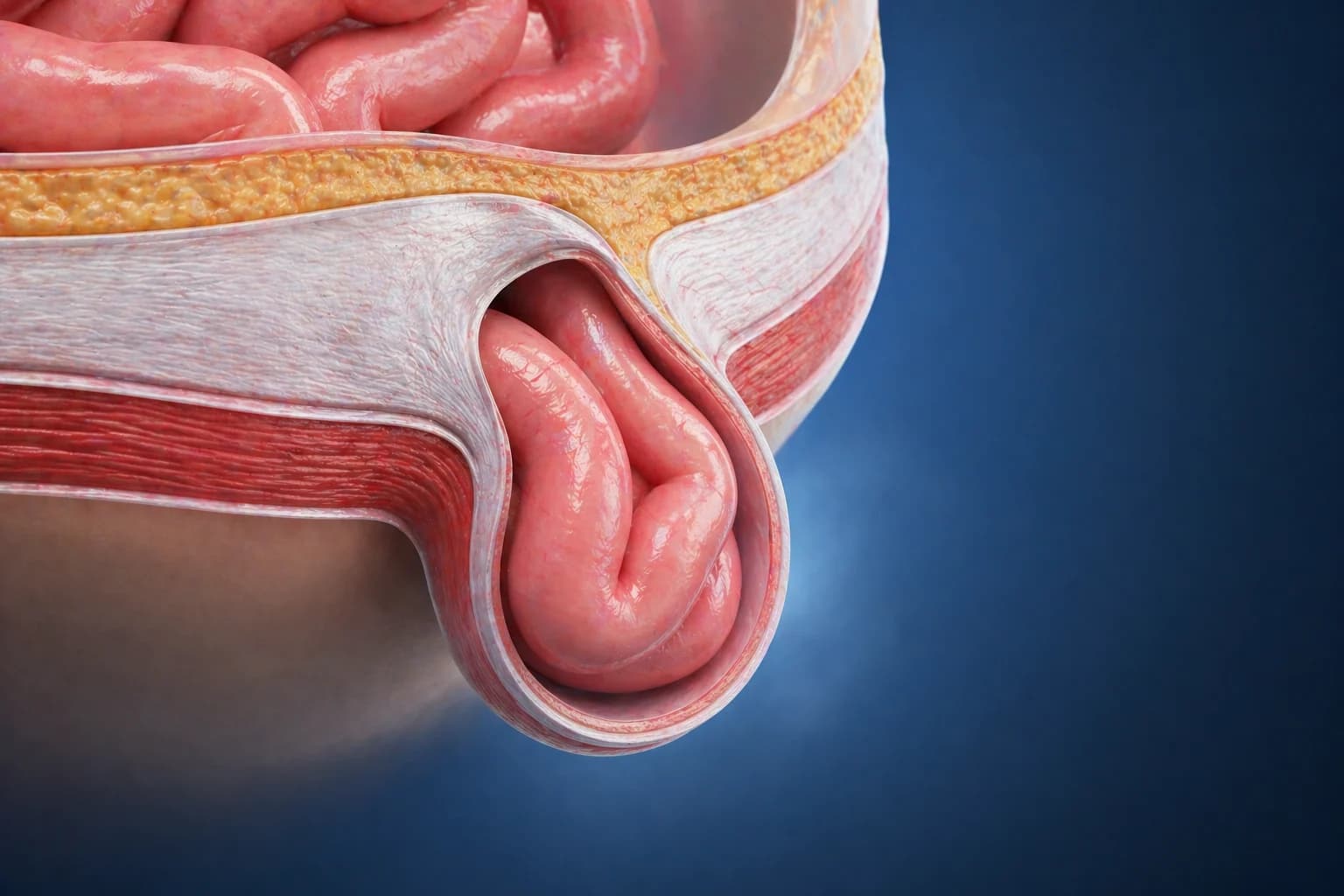
A hernia is one of the most common surgical conditions affecting adults and children alike. It occurs when an internal organ or fat tissue pushes through a weak spot or tear in the surrounding muscle wall. Understanding why and how a hernia develops can help you identify early symptoms and consult an experienced hernia surgeon in Mumbra, Thane & Mumbai before complications arise.
How a Hernia Occurs: The Two Primary Drivers
A hernia does not develop overnight; it is usually caused by a combination of two factors: muscle weakness and increased internal abdominal pressure.
1. Pre-existing Wall Weakness
Certain areas of the human body have natural structural vulnerabilities. For instance, the groin canal (inguinal canal) is a natural opening through which testicles descend during fetal development. Over time, connective tissues can lose collagen density, or surgical incisions from past operations may fail to regain 100% of their original tensile strength.
2. Intra-Abdominal Strain
When internal pressure inside the abdomen surges repeatedly, it forces abdominal contents (such as the intestine or omentum) into the weakest gap. Common triggers include:
- Heavy Lifting: Lifting heavy weights at work or in the gym without proper technique.
- Chronic Coughing or Sneezing: Persistent coughing due to smoking, asthma, or bronchitis.
- Chronic Constipation: Straining during bowel movements over extended periods.
- Obesity & Rapid Weight Changes: Excess visceral fat increases constant pressure on the abdominal wall.
- Pregnancy: Expands abdominal muscles and weakens the navel region.
Common Types of Hernias Explained
Dr. Qasim Khan, a trusted hernia doctor in Mumbra, routinely diagnoses and treats several types of hernias:
- Inguinal Hernia (Groin): The most prevalent type, occurring in the lower groin area, more common in men.
- Umbilical Hernia (Navel): Appears near the belly button, frequently seen in women after childbirth or individuals with abdominal fluid buildup.
- Incisional Hernia: Develops through the scar site of a previous abdominal surgical cut.
- Femoral Hernia: Occurs just below the groin in the upper thigh, carries a higher risk of trapping intestine.
Signs & Symptoms: When to Consult a Specialist
A hernia usually begins as a soft, visible bulge under the skin. You should schedule a consultation with the best hernia doctor in mumbra if you notice:
- A bulge in the groin or abdomen that becomes more prominent when standing, coughing, or straining.
- A dull aching or burning sensation around the swelling that worsens towards the end of the day.
- Pain while lifting objects, bending down, or exercising.
- A heavy or dragging feeling in the pelvis or groin area.
Why Hernias Require Surgical Evaluation
It is a medical myth that hernias can be cured with abdominal belts, trusses, or medicines. While trusses may offer temporary support, a hernia is a anatomical structural defect that will not heal on its own. Delaying care can lead to dangerous complications:
- Incarceration: The intestine gets trapped inside the hernia sac and cannot be pushed back.
- Strangulation: Blood supply to the trapped intestine is cut off, causing tissue death (necrosis), severe pain, and emergency sepsis.
Advanced Laparoscopic (Keyhole) Mesh Repair
Consulting an experienced surgeon in Mumbra, Thane & Mumbai gives you access to modern minimally invasive techniques. Dr. Qasim Khan performs Laparoscopic Hernia Repair (TAPP / TEP methods), which offers superior patient benefits:
- Tiny Keyhole Cuts: 3 small 5-10 mm incisions instead of a large open surgical cut.
- 3D Mesh Reinforcement: High-density synthetic mesh is placed behind the muscle wall, preventing recurrence.
- Less Pain & Rapid Discharge: Patients walk within hours and return home within 24 to 48 hours.
- Fast Return to Work: Light office work can be resumed within 5 to 7 days.
Frequently Asked Questions
Can exercise cure a hernia?
No. Exercise cannot repair a torn muscular fascia or close a hernia defect. In fact, heavy lifting or improper abdominal exercises can worsen the hernia.
Why choose Dr. Qasim Khan as your hernia surgeon in Mumbra?
Dr. Qasim Khan brings 15+ years of surgical experience, fellowship training in FMAS, FIAGES, and FALS, and extensive expertise in both open and keyhole laparoscopic repairs across hospitals in Mumbra, Thane, and Mumbai.
Conclusion
Understanding why and how hernias occur enables you to seek early medical intervention. If you or a loved one notice a groin or abdominal bulge, schedule a clinical assessment with the best hernia doctor in mumbra today to explore safe, keyhole treatment options.
Related Topics
Explore the key topics covered in this article.
Patient Consultation & Surgical Care Service Areas
Dr. Qasim Khan provides advanced laparoscopic, endoscopic, laser, and general surgical consulting across these regions: