
2026-04-20
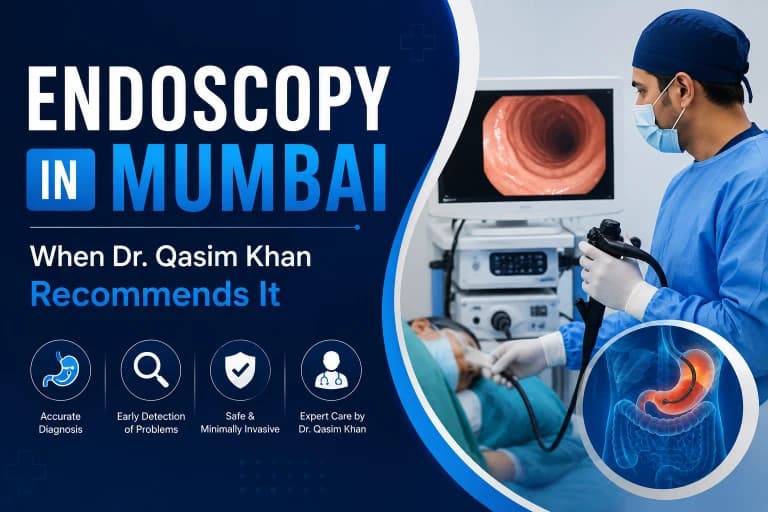
Endoscopy in Mumbai: When Dr. Qasim Khan Recommends It
Learn common symptoms, benefits, and preparation tips for diagnostic and therapeutic endoscopy with an experienced endoscopy, laparoscopy and laser surgeon in Mumbai.
Gastrointestinal disorders can significantly disrupt daily life, causing discomfort, anxiety, and nutritional issues. When symptoms like persistent acidity, bloating, swallowing difficulties, or pain refuse to subside with medication, an endoscopy is the most effective diagnostic tool to find the exact cause.
Dr. Qasim Khan, a trusted endoscopy, laparoscopy and laser surgeon in Mumbai, recommends endoscopy as the gold standard for upper gastrointestinal mapping, moving beyond guesswork to formulate safe, evidence-based treatment pathways.
What is an Upper GI Endoscopy?
An upper GI endoscopy, also known as a gastroscopy, is a procedure where a thin, flexible tube called an endoscope is gently passed through the mouth into the esophagus, stomach, and duodenum. The tube is fitted with a high-definition camera and optical fibers that project real-time, magnified images of the mucosal lining onto a medical monitor, allowing the surgeon to check for abnormalities.
Common Symptoms Requiring Endoscopy
Dr. Qasim Khan recommends diagnostic endoscopy if you experience any of the following warning signs:
- Persistent Acid Reflux & GERD: Chronic burning sensation in the chest or throat that persists despite taking antacids.
- Difficulty Swallowing (Dysphagia): A sensation of food getting stuck in the food pipe, which could point to a stricture, inflammation, or growth.
- Chronic Upper Abdominal Pain: Unexplained or localized pain in the stomach area that interferes with daily routine.
- Unexplained Nausea & Vomiting: Frequent nausea or recurring vomiting episodes that lack a clear diagnostic cause.
- GI Bleeding Indicators: Vomiting blood or passing dark, tarry stools, indicating potential bleeding in the stomach or duodenum.
- Unplanned Weight Loss: Sudden weight loss accompanied by a persistent loss of appetite.
Therapeutic Benefits of Endoscopy
Beyond diagnosis, modern endoscopy allows surgeons to carry out therapeutic procedures directly without open incisions:
- Painless Biopsies: Collecting tiny tissue samples to test for H. pylori bacterial infections, celiac disease, or early cancerous cells.
- Removing Foreign Objects: Safely extracting accidentally swallowed objects from the food pipe or stomach.
- Controlling Bleeding: Sealing bleeding ulcers or banding esophageal varices directly using specialized attachments.
- Dilating Strictures: Widening narrowed segments of the food pipe to restore normal swallowing.
How to Prepare for an Endoscopy
Following your surgeon's pre-operative instructions is vital for a clear view and a safe procedure:
- Fasting (NPO): Keep a completely empty stomach for 6 to 8 hours before the procedure. No solid foods or liquids should be consumed.
- Medication Review: Inform the surgical team about all current medications, especially blood thinners or diabetic drugs.
- Arrange a Companion: Since light sedation is used, you will need a friend or family member to accompany you home.
Frequently Asked Questions
Is endoscopy painful?
The procedure is not painful. A local anesthetic spray is applied to numb the throat, and light sedation is administered, allowing you to sleep comfortably throughout the 10-minute check.
How long does the procedure take?
A diagnostic upper GI endoscopy is quick, usually taking only 10 to 15 minutes to complete. You will remain in recovery for about 30 to 45 minutes until the sedation wears off.
Can I eat immediately after the procedure?
You should wait at least 30 to 45 minutes for the throat-numbing spray to wear off completely. Once your swallowing reflex returns to normal, you can start with sips of water followed by a soft, light meal.
Looking for Expert Endoscopic Care in Mumbai?
If you are dealing with chronic digestive issues, early clinical evaluation is essential. Choosing a highly experienced specialist ensures a precise diagnosis and access to laparoscopic or therapeutic backups if needed.
For detailed consultations, guidelines, and booking info, visit drqasimkhan.com.
Conclusion
Endoscopy is a safe, sub-specialized diagnostic tool that eliminates guesswork for gastrointestinal symptoms. Early screening helps identify ulcers, GERD, and mucosal inflammation before they lead to complex emergencies. Consult Dr. Qasim Khan today to receive professional, personalized care.
Related Topics
Explore the key topics covered in this article.
Patient Consultation & Surgical Care Service Areas
Dr. Qasim Khan provides advanced laparoscopic, endoscopic, laser, and general surgical consulting across these regions: